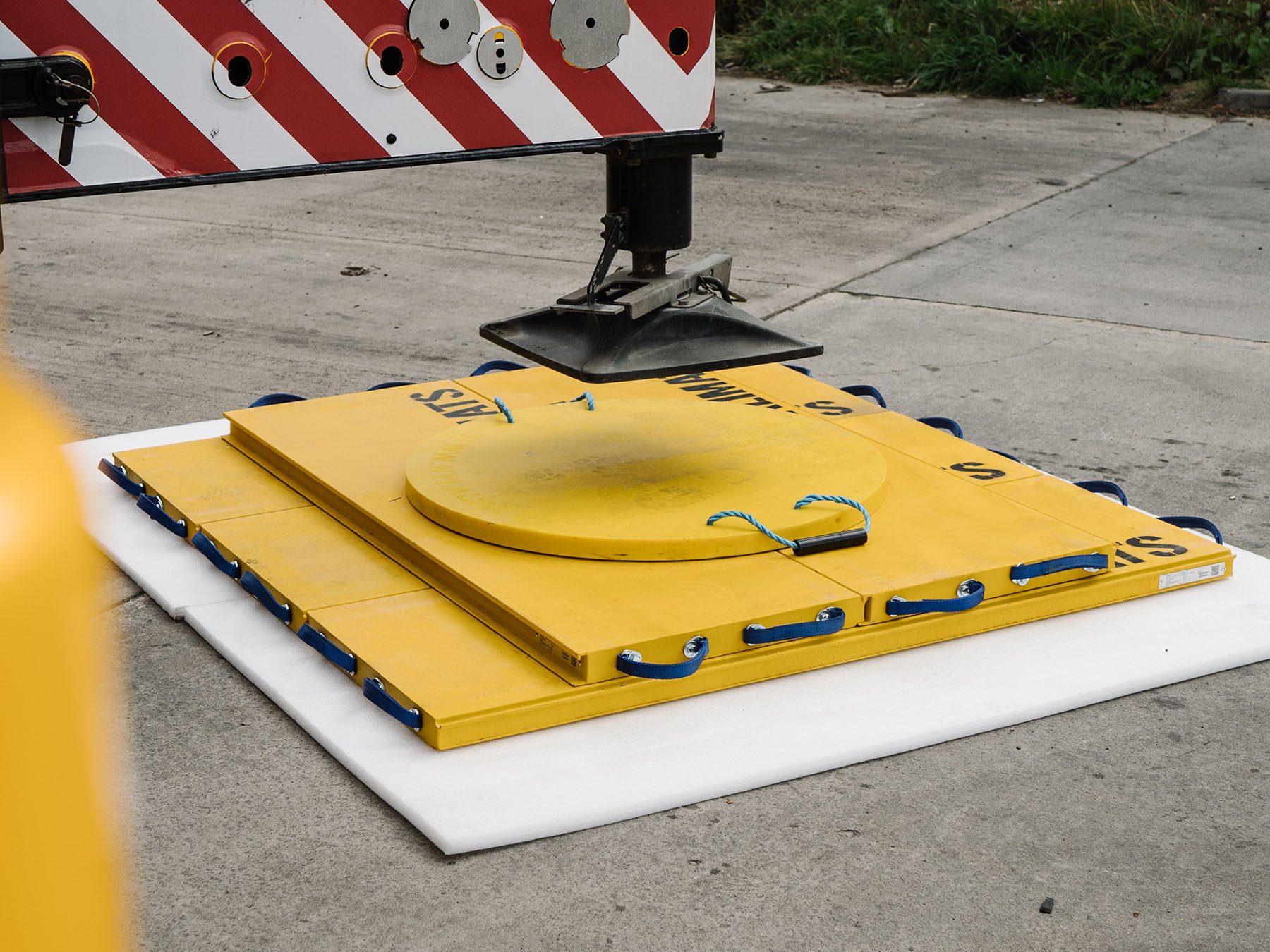
Geography isn't the only thing that shapes a crane mat spec. The type of project - energy, transport, aviation, industrial, renewable, or venue and residential - sets its own load profile, programme rhythm and site constraints, and that pattern repeats wherever in the world the sector builds. Here's how the ground-protection problem changes shape sector by sector, with a real UK deployment behind each one.
Read the guide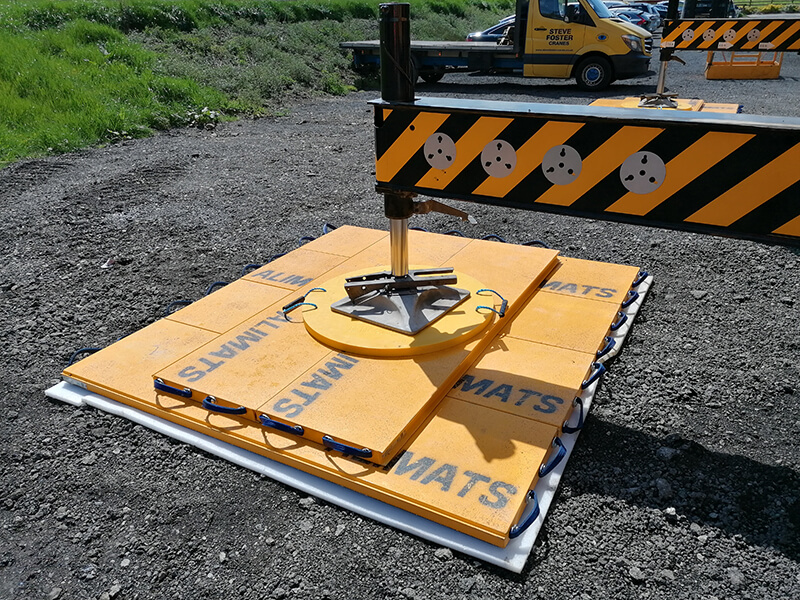
Force divided by allowable bearing pressure gives you the same answer in every country on earth. What changes at the border is who has to sign it off, what safety margin is conventional, and what has to exist in writing. Here is how we think about international load spread standards without assuming that home practice travels.
Read the guideHeat is a real engineering variable for ground protection, not just a comfort issue for the crew. Here's how thermal expansion, UV ageing, surface temperature and arid ground actually drive crane mat material choice and design.
Read the guide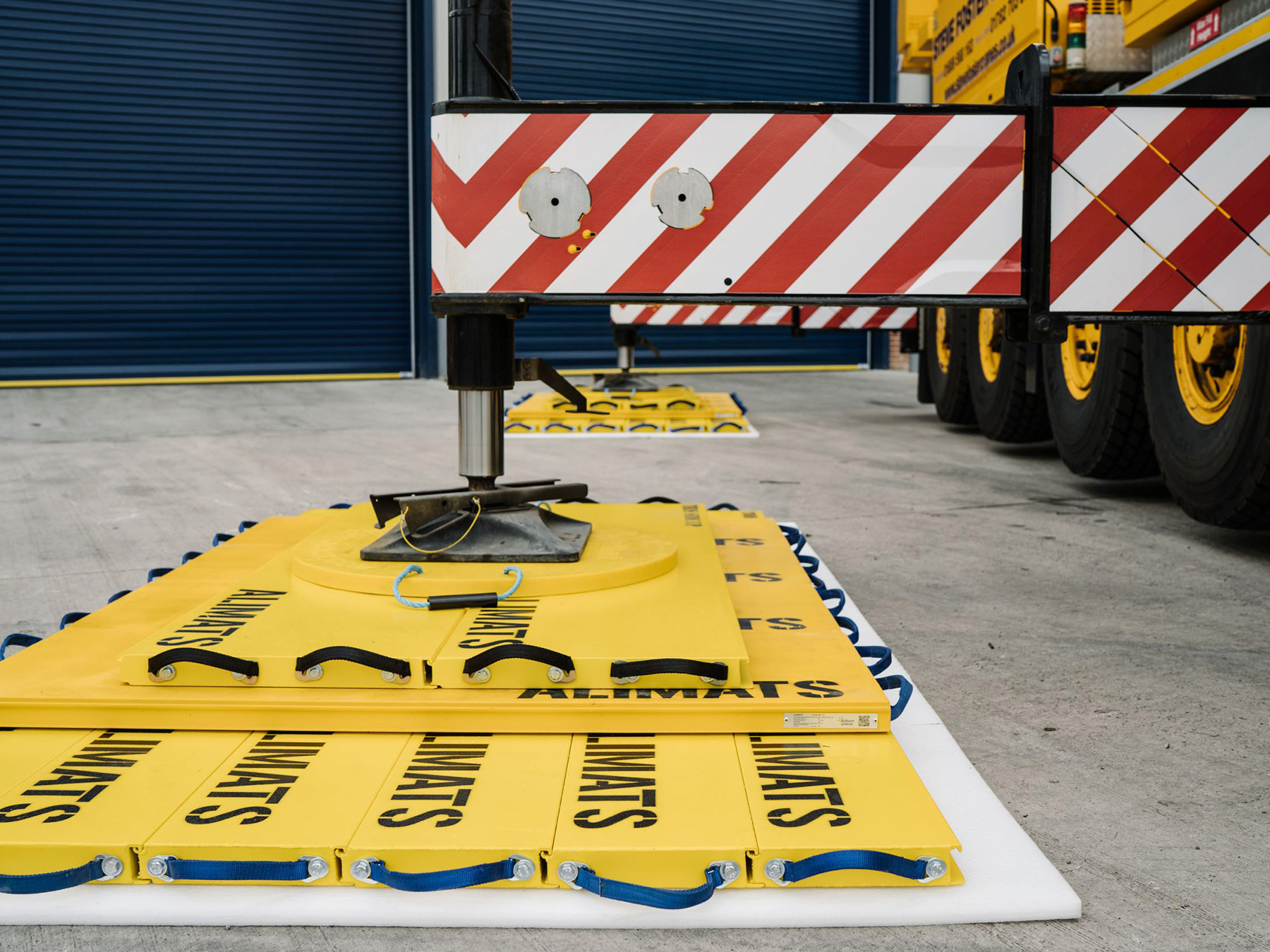
Ground protection is a different technical problem on Gulf megaprojects — extreme heat, sandy desert subgrade and relentless modular crane work all change the equation. Here is how we read the market, why aluminium suits hot-climate, high-throughput programmes, and where ALIMATS already travels.
Read the guide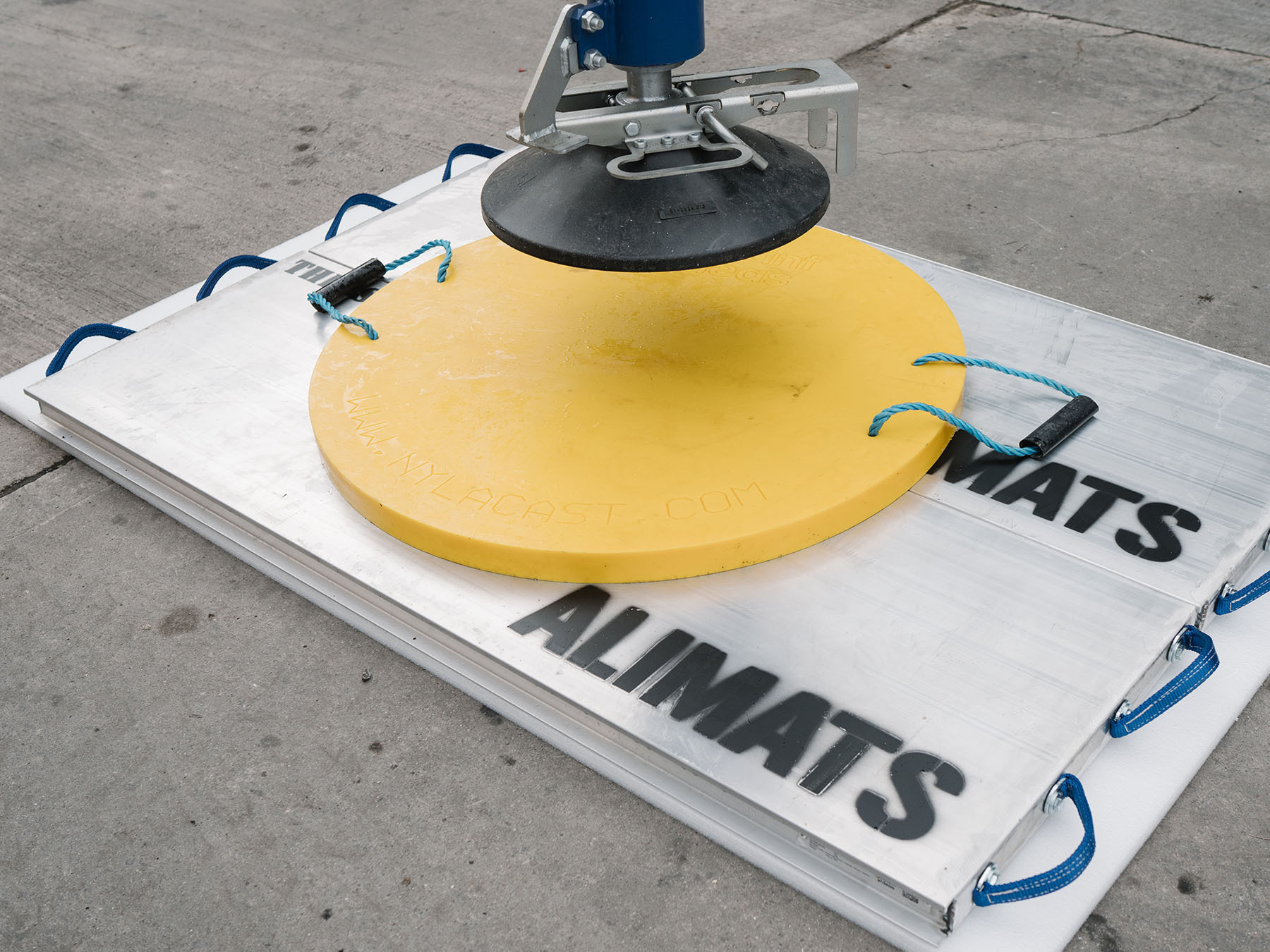
A working reference to the crane mat, ground protection, lifting and temporary works terms we deal with every day — the vocabulary that lands on lift plans, ground investigation reports and TWC paperwork, explained in plain English.
Read the guide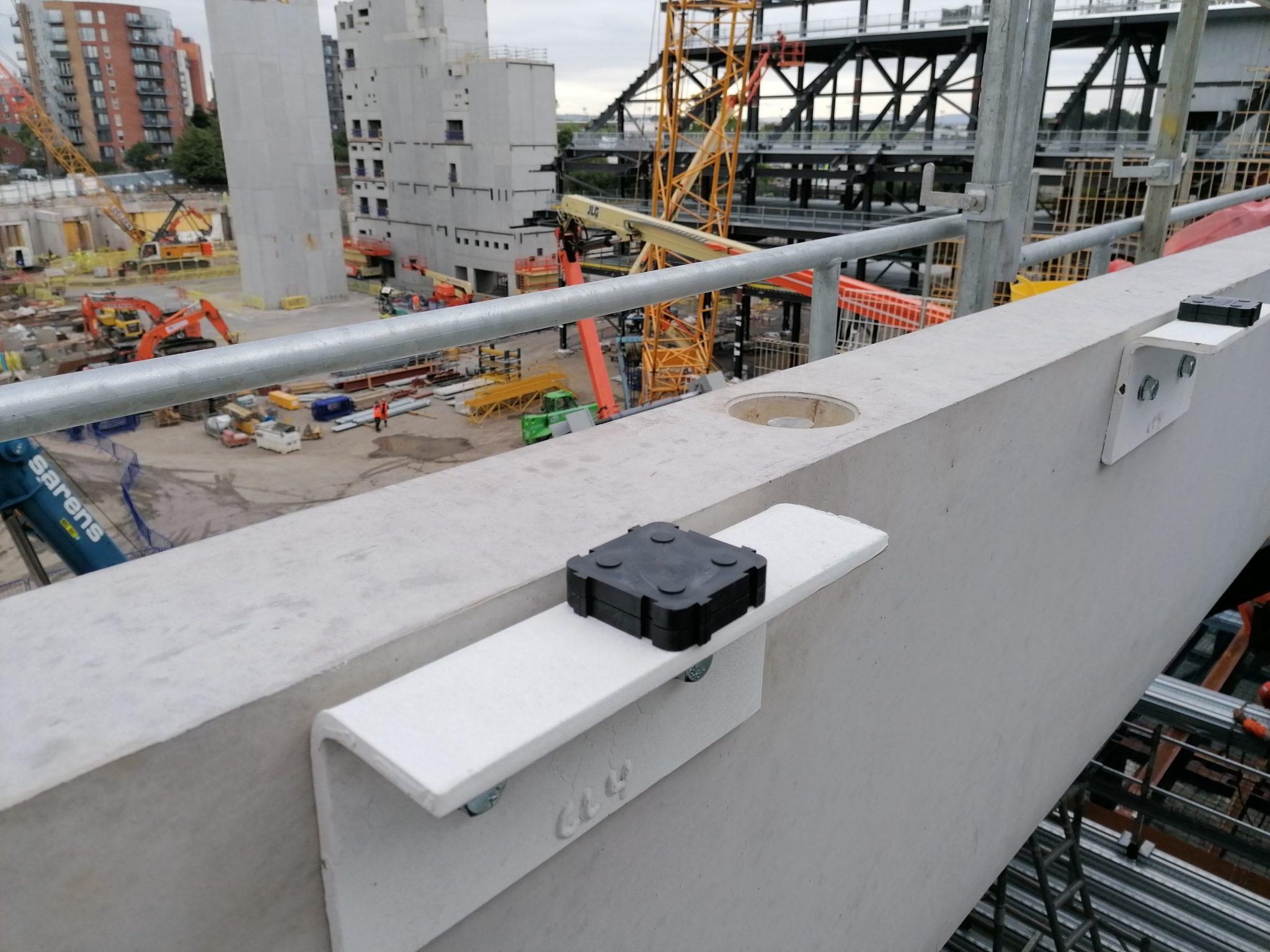
A gap under a precast bearing, a steel baseplate or a machinery plinth isn't a finishing detail — it's a load path, and whatever goes into it becomes part of the structure. Here's why that gap needs an engineered levelling shim rather than whatever offcut is nearest to hand, what we designed Stacker Packers to do, and what to check before you specify one.
Read the guideTwo machines can weigh exactly the same and load the ground in completely different ways. We explain why plant type — tracked, wheeled or outrigger-based — matters far more than tonnage, and where to find loading figures you can actually trust for a specific machine.
Read the guide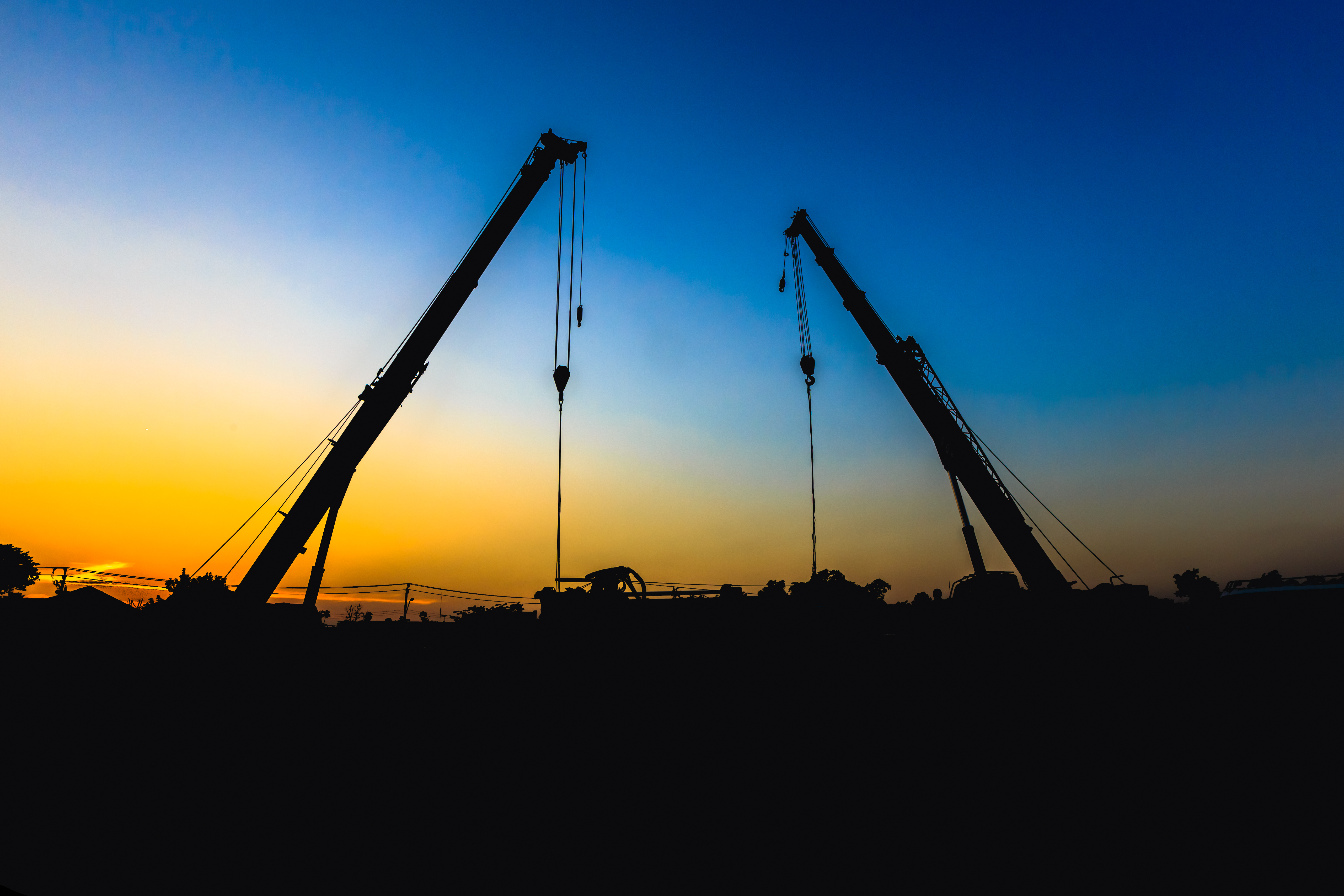
Most lift plans are excellent on radius, rigging and exclusion zones and vague on the ground under the crane. Here's what a properly specified lift plan should say about matting, and the checklist we'd walk before the crane takes load.
Read the guideCrane matting is engineered, load-bearing, and can fail with the same consequences as any other temporary works item. Here we set out the roles, the checks and the sign-off that should sit around a mat specification - not the calculation itself, but the governance framework the calculation belongs inside.
Read the guide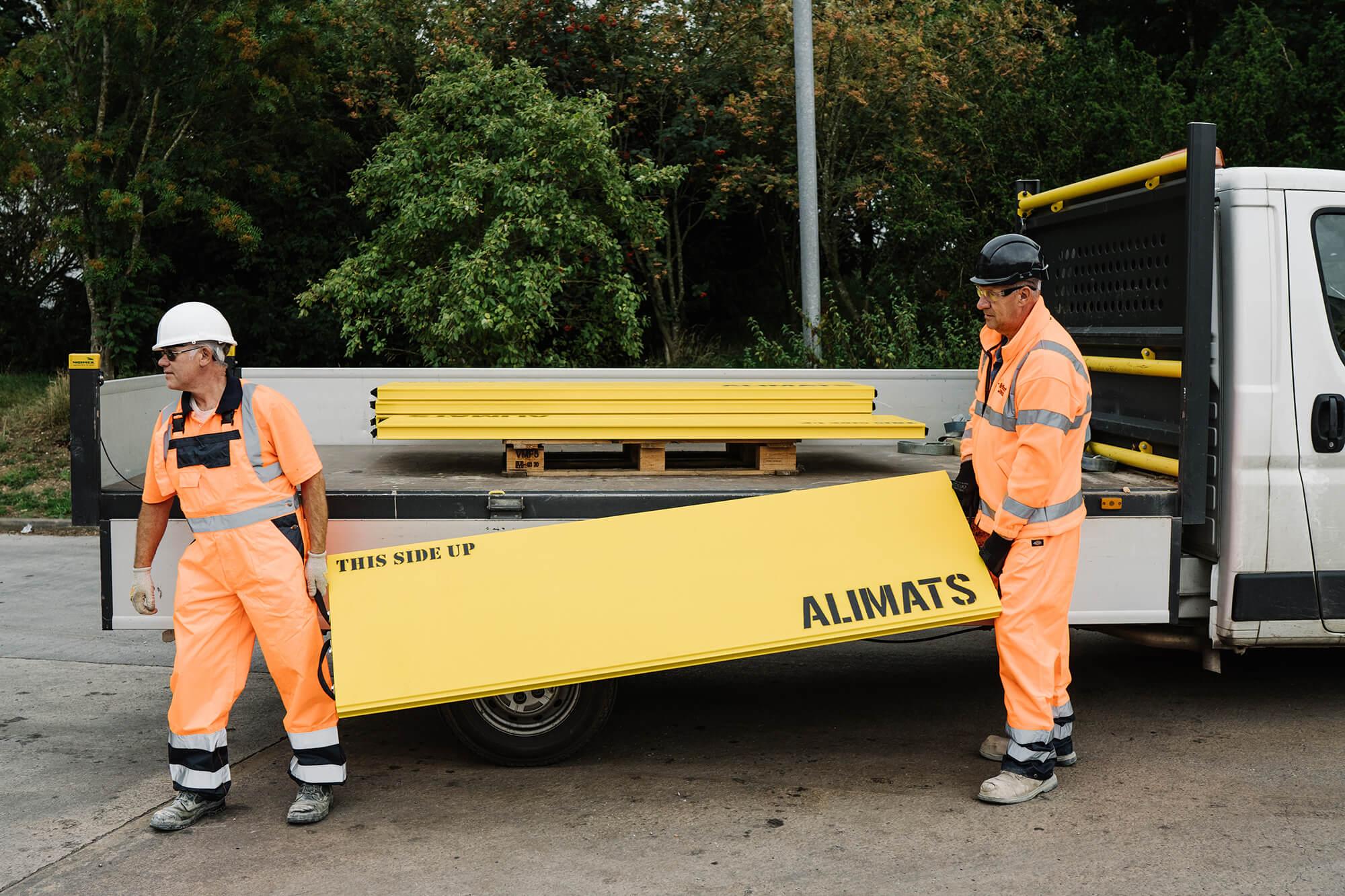
Bearing pressure calculations get all the attention, but the number you divide by has to come from somewhere. We take the ground itself seriously: how it fails, what determines its strength, why made ground is uniquely unpredictable, and how bearing capacity is actually established on a real site.
Read the guideMost pages mention the load spread calculation and move straight on. We would rather show our working. Here is the full method — force, bearing pressure, area, depth spread and stiffness — with a worked example, so a specifier can follow the maths rather than take it on trust.
Read the guide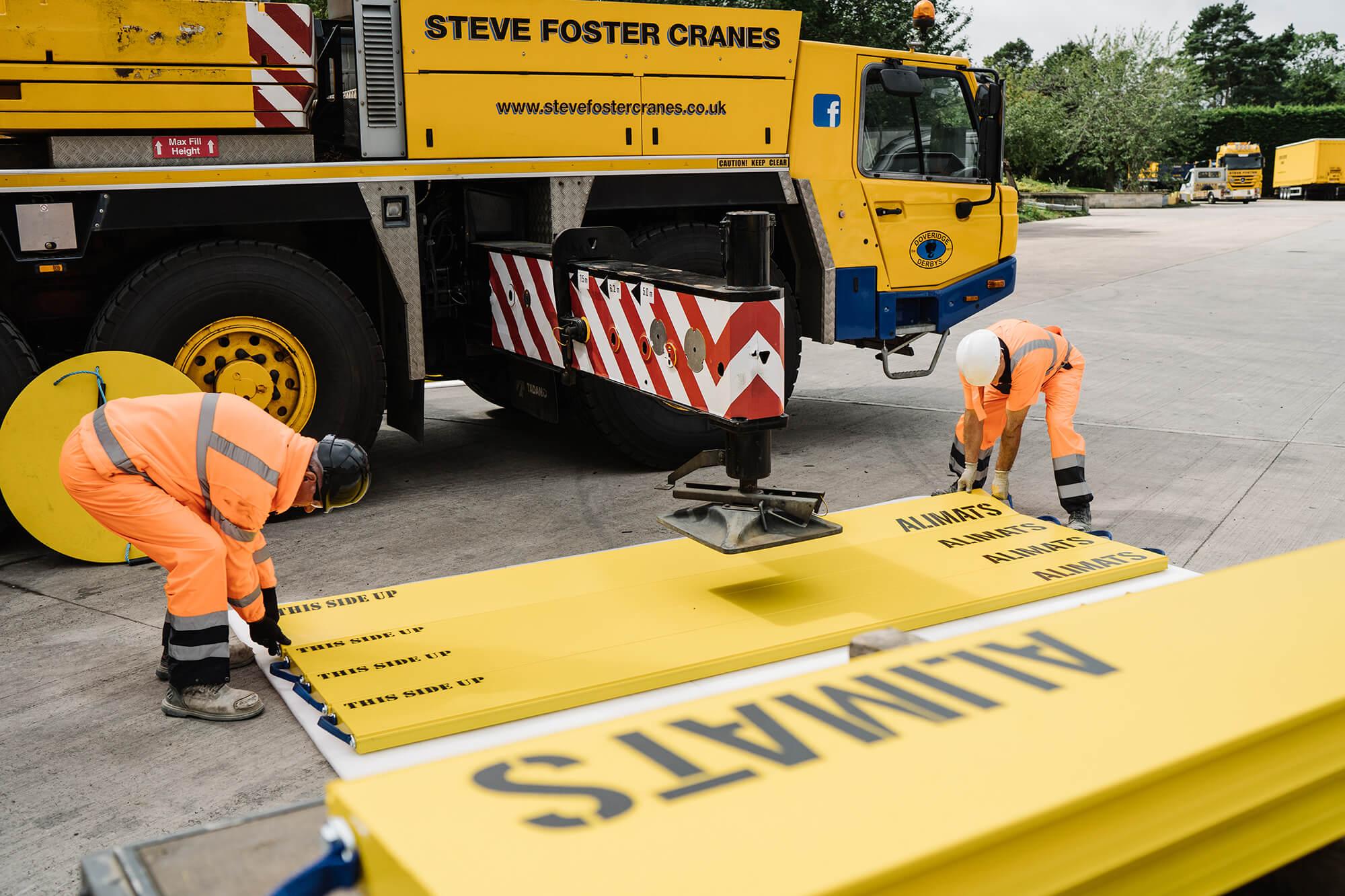
"Hire or buy?" sounds like one question about crane mats. It's really three — about frequency, time horizon, and whether you want to own ground protection at all — bundled together because they get asked in the same breath. Here's how we work through all three, and why the answer is your numbers, not a borrowed rule of thumb.
Read the guide